Overview
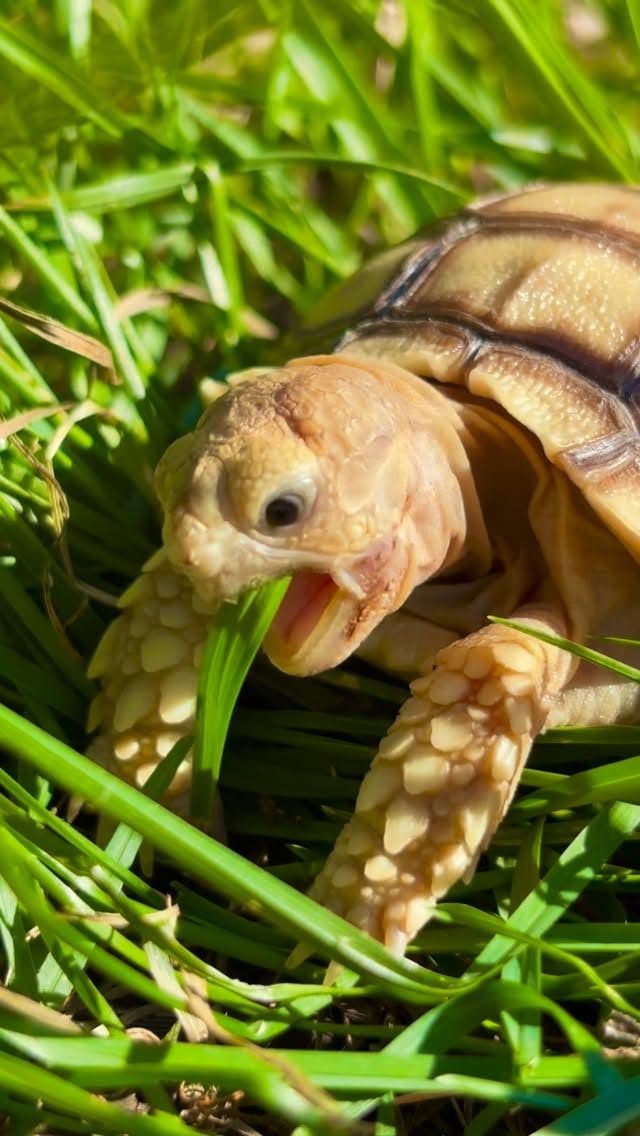
Tortoises are long-lived, hardy and interesting animals. They make endearing pets, but they need very specific care and can be a bit of a challenge. Caring for a tortoise is a bigger commitment than you may think, and it takes time and dedication to keep one healthy. Before you bring one home, have the supplies you need ready so it settles in smoothly. NOTE: Every tortoise species has its own needs. This is a general guide; look up specific information for the type of tortoise you own.
Quick facts
- A turtle is not a tortoise, but a tortoise is a turtle. A turtle is any shelled reptile belonging to the order Chelonii. The word “tortoise” refers specifically to land turtles, not aquatic ones.
- Tortoises live on land, are usually herbivorous, and can’t swim. Their feet are round and stumpy, adapted for walking. Water turtles have flippers or webbed feet with long claws, and their shells are flatter and more streamlined.
- Tortoises have been around for more than 200 million years, so they walked the earth alongside dinosaurs.
- They can live 30–100 years, so plan for a stable home for the long term.
- A group of tortoises is called a creep. Tortoises are solitary roamers, though, so you will rarely see one.
- A tortoise has a collarbone, ribs and a spine inside its shell. It can also hide its head, feet and tail inside its shell.
- Their shells have nerve endings, so tortoises can feel every rub, pet, or scratch.
Enclosure
Set up a habitat that mimics your tortoise’s natural environment. An outdoor pen for at least part of the year is recommended. House your tortoise in the largest enclosure you can. As a rule of thumb, allow at least 10 gallons of enclosure per 1 inch of shell length. A juvenile will grow and need more space, and a full-grown tortoise needs plenty of room to roam. An indoor enclosure should be well ventilated, properly lit and have a screen lid to prevent escapes.
Substrate
Choose a substrate based on your tortoise’s species. Use a pelleted, mulch or moss-type substrate that holds moisture. Some tortoises eat their substrate; if yours does, switch to something it can’t eat.
Temperature & lighting
Tortoises love to bask and are most active during the day. If the enclosure doesn’t get much natural sun, light it 10–12 hours a day with a UVA/UVB bulb for the rays they need for strong bones and shells. To watch your pet at night, use a nightlight bulb so you don’t disturb its sleep. Set up a temperature gradient using overhead bulbs or a heat mat. Keep the warm side about 95–100°F and the cool side around 70–85°F. At night, the whole enclosure should be 60–70°F. Some species love humidity and others prefer it dry, so check a reputable source for yours. Use two thermometers (or two thermometer/hygrometer combos) to keep the right temperature and humidity for your species.
Accessories
Put a rock or platform on the warm side for basking and a hide box or cave on the cool side for shelter. Add plenty of plants and sticks, and make sure any plants are safe for your tortoise to eat. Avoid anything steep or rickety your tortoise could fall from. Don’t forget a shallow dish of water for drinking and splashing.
Diet & nutrition
Tortoises are herbivores. Feed about 80% fresh vegetables (like kale, dandelions and collard greens) and 20% fruit (like apples, melons and grapes); you can add a commercial pellet made for tortoises. We recommend dusting the food once a week with a powdered vitamin and calcium supplement. Keep clean dechlorinated water available at all times.
Handling & safety
Most tortoises are docile and shy, but two males kept together can become aggressive and seriously injure each other, so don’t house males together. Let your tortoise settle in for three or four days before handling it, and always move slowly around tortoises so you don’t startle them. Too much handling causes stress, so only handle yours when needed. Never drop your tortoise or let it fall. Contact a veterinarian if you notice signs of illness or distress, such as more time hiding in the shell, eating or drinking less, weight loss, swollen joints, discharge from the eyes or nose, a discolored shell or abnormal feces.
Questions about your setup? Stop by and ask us.