
Buying a reptile is easy. Buying the right reptile (healthy, well-started and a good fit for your home) takes a few good questions. Any reputable store or breeder should be glad to answer them. If someone can't or won't, that tells you something too.
Here's the list we'd want a friend to bring to any reptile purchase, including one at Zoo Creatures.
About the animal
- Was it captive-bred, captive-farmed or wild-caught? Captive-bred animals are usually healthier, better adjusted and easier to start on food. (More in why captive-bred animals matter.)
- How old is it, and do you know its hatch date?
- How long has it been here, and how has it been doing?
- Is it male or female, and how sure are you? Sexing young reptiles isn't always certain.
- Has it had any health issues, and has it seen a vet?
About feeding
Feeding questions are the most important ones, especially for snakes. A reptile that's already eating reliably is a much easier start.
- What is it eating right now, and in what form? (Frozen/thawed, pre-killed or live; which insects; which diet.)
- When did it last eat, and how often does it eat?
- Can I see it eat, or see its feeding records?
- Does it need supplements, and how often?
- Has it ever refused food for a long stretch? If so, what got it eating again?
About the adult animal
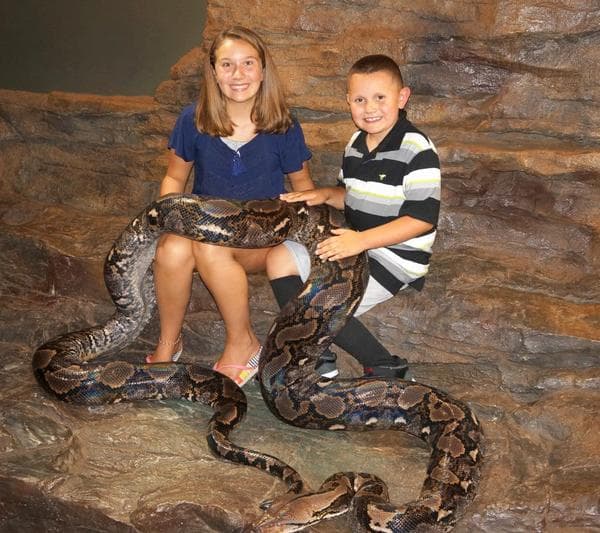
Baby reptiles are small. Many don't stay that way, and most live a long time. Ask:
- How big will it get as an adult?
- How long does it typically live? (Many common species live 15–20 years or more.)
- What size enclosure will the adult need?
- Is it a good handler as an adult, or more of a display animal?
About the setup
The setup usually costs more than the animal, and it's where most early problems start. Before you buy, ask:
- What temperatures does it need on the warm side, on the cool side and at night?
- Does it need UVB lighting? How often does the bulb need replacing?
- What humidity range does it need, and how do I measure it?
- What substrate is safe, and what should I avoid?
- Do I need a thermostat? (For almost any heat source, yes.)
A good store will help you build a setup that fits the animal and your budget instead of selling you everything on the shelf. Our care library has species-by-species care sheets, and our products are organized by what each part of a setup does.
About the real cost
- What will the full starting setup cost?
- What will it cost each month: food, supplements, substrate, electricity?
- Are there reptile vets nearby, and what does a checkup cost?
- Who will care for it when I travel?
About support after you buy
Policies vary from store to store, so get the answer before you pay, not after.
- Can I contact you with questions after I bring it home?
- What happens if it stops eating?
- What's your policy if something goes wrong in the first days?
Questions to ask yourself
The store can't answer these for you:
- Is everyone in the household on board, including anyone nervous about snakes or feeding insects?
- Am I comfortable handling the food it eats?
- Am I allowed to keep this animal where I live? Check your lease, and check state and town rules for anything unusual.
- Am I ready for a commitment that may last a decade or two?
- Do I have space for the adult enclosure, not just the starter one?
If you're buying a morph
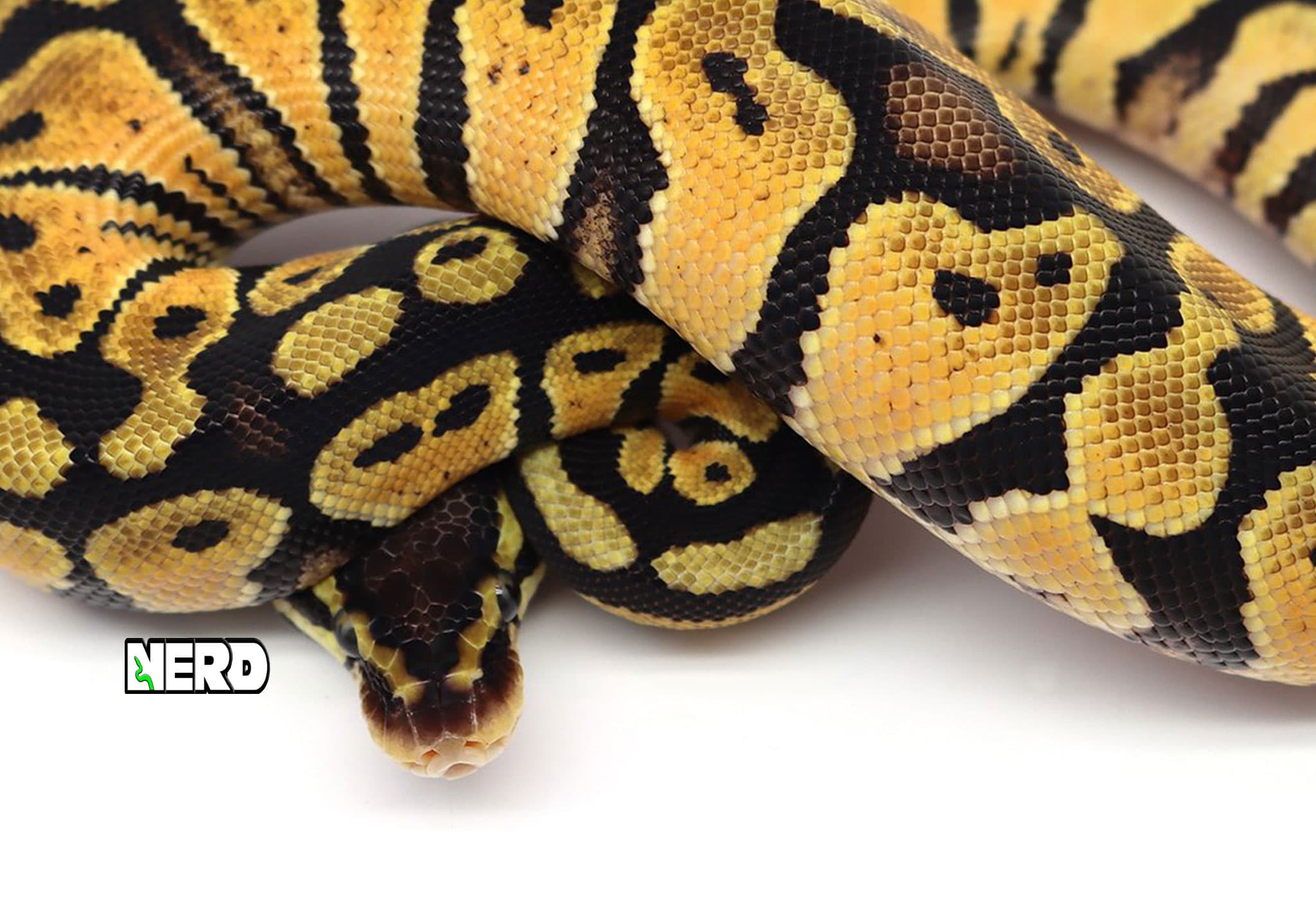
Color and pattern morphs are part of the fun, especially with ball pythons, corn snakes and leopard geckos. If genetics matter to you, ask what the animal's genes are, whether any are "possible" or unproven, and who produced it. Some morphs are linked to known health or neurological issues, so ask about that too. A good breeder will tell you plainly.
Bringing it home
Have the enclosure running at the right temperatures for a few days before the animal arrives. Then let it settle in: keep handling to a minimum for the first week or so, offer food on its normal schedule, and watch for normal behavior. Write down when it eats and sheds. That record is the first thing a vet or the store will ask about if something seems off.
Red flags
- Thin animals, sunken eyes, or bones visible along the spine
- Discharge or bubbles from the nose or mouth, or open-mouth breathing
- Retained shed, especially around the eyes or toes
- Tiny moving dots on the animal or in the water bowl (possible mites)
- Staff who can't tell you what the animal eats
Ask us anything
Zoo Creatures has been helping New England keepers since 2001. Most of our snakes are captive-bred by NERD, our parent company, in the same building, so we can usually tell you exactly where an animal came from and what it's eating. Visit us at 149 Plaistow Road in Plaistow, NH, about 45 minutes north of Boston, or browse the animals we carry and plan your visit.