Almost every week someone walks into Zoo Creatures in Plaistow and asks the same question: what's the best first reptile? The honest answer is that it depends less on the animal and more on you: your space, your schedule, your budget, and how long you're ready to commit. Some of the most popular beginner reptiles live 15 to 20 years or more.
Below are the five species we most often recommend to first-time keepers, what each one actually needs, and a few things that are specific to keeping reptiles in New Hampshire.
What makes a reptile beginner-friendly?
A good first reptile usually checks most of these boxes:
- Readily available as a captive-bred animal (not wild-caught)
- Tolerates gentle handling once settled in
- Has simple, well-understood temperature and humidity needs
- Eats a diet that's easy to buy and store
- Stays a manageable adult size
- Forgives small mistakes while you learn
Leopard gecko
Leopard geckos are small, calm, and live on the ground, so they don't need a tall enclosure. They're active at dusk and night, which suits people who work during the day. They eat live insects (crickets and mealworms dusted with a calcium and vitamin supplement), so you'll need to be comfortable with that. Well-kept leopard geckos can live 20 years or more.
Our leopard gecko care sheet covers temperatures, hides and supplements in detail.
Corn snake
Corn snakes are one of the most commonly recommended first snakes for good reason: they're hardy, usually reliable eaters of frozen/thawed mice, and they come in a huge range of colors. Adults typically reach about 3 to 5 feet. They're also skilled escape artists, so a secure, locking lid isn't optional.
See the corn snake care sheet for a full setup.
Ball python
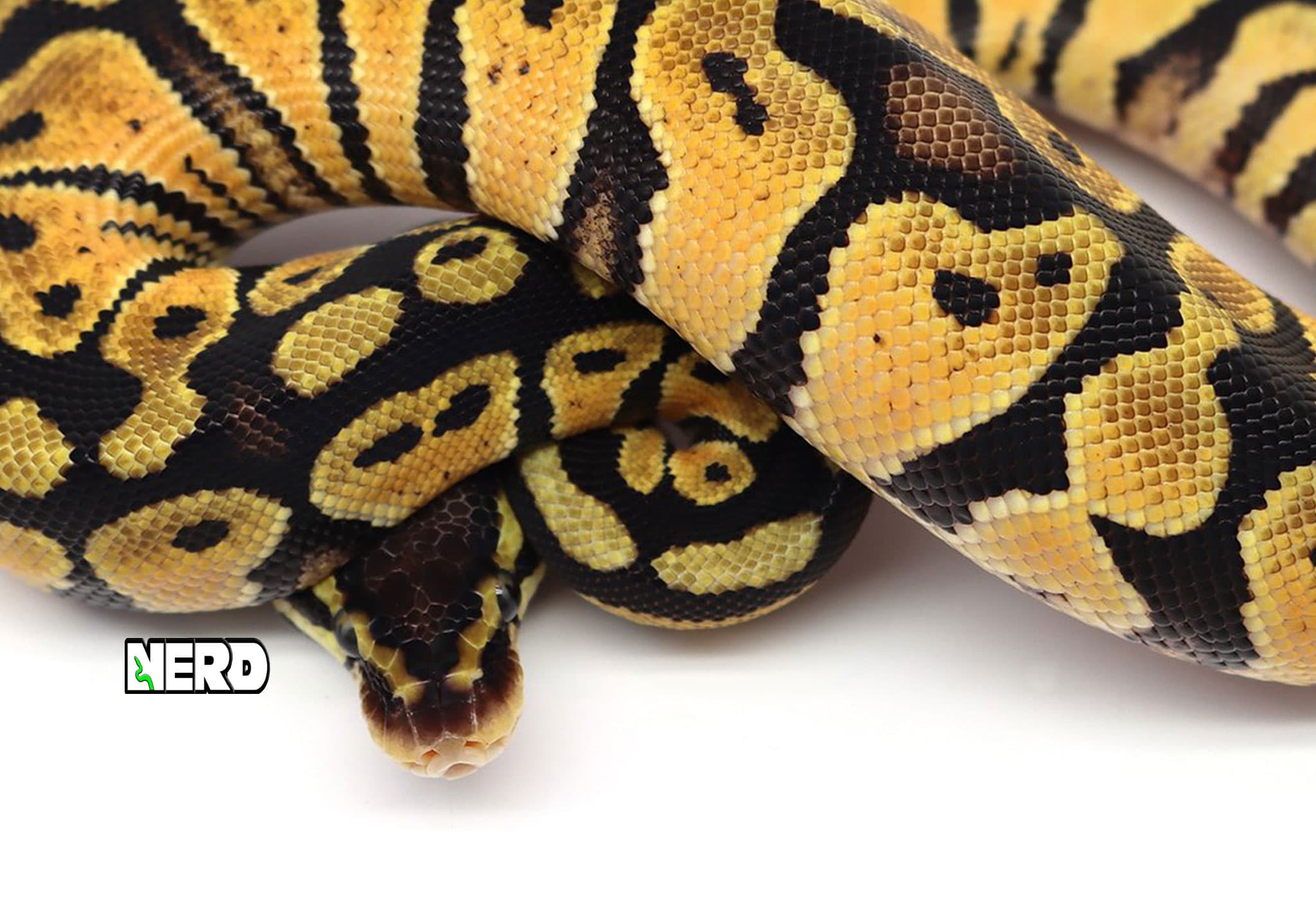
Ball pythons are calm, slow-moving and rarely defensive once settled, which makes them a favorite with families. They stay a reasonable size: females often 3 to 5 feet, males smaller. The catch: they can be picky eaters, especially wild-caught animals, and they can live for decades. A captive-bred, well-started ball python that's already eating reliably makes a much better first snake.
Most of the snakes we sell are bred by NERD, our parent company, right in our building. Our ball python setup checklist walks through everything you need.
Crested gecko
Crested geckos are a great choice if you'd rather not keep live insects around. They can thrive on a complete powdered diet mixed with water, with insects as an occasional extra. They climb, so they need a taller enclosure with plenty of branches and cover. One important note: they prefer cooler temperatures than most reptiles, and overheating is a bigger risk to them than a slight chill.
Read the crested gecko care sheet before you buy.
Bearded dragon
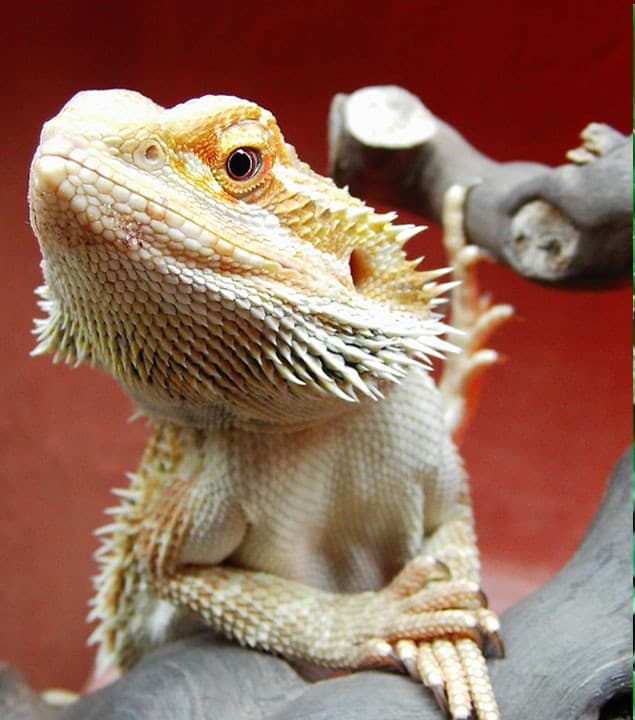
Bearded dragons are outgoing, interactive lizards and a lot of fun to keep. They're also the biggest commitment on this list: an adult needs a large enclosure with lots of floor space, a hot basking spot, and strong UVB lighting that's replaced on the manufacturer's schedule. They eat a mix of insects and vegetables. If you have the space and budget, they're wonderful. Just plan for the adult, not the baby.
Our bearded dragon care sheet has the details.
Keeping reptiles warm in a New Hampshire winter
Reptiles depend on outside heat to digest food and stay healthy, and New Hampshire homes get cold. A few habits make a big difference:
- Put every heat source on a thermostat, and check temperatures with a digital thermometer instead of guessing
- Keep enclosures away from drafty windows, exterior doors and heating vents
- Have a plan for power outages: know how you'll keep your animal warm if the electricity is out for hours
- Remember that a room that's comfortable for you at night may be too cool for a tropical species
Local rules worth knowing
New Hampshire regulates the possession of some wildlife and exotic species. The common beginner species above are widely kept, but if you're considering something unusual, check with us and with NH Fish and Game first. And please don't take wild turtles or other native reptiles home as pets. Several native New Hampshire turtles are protected, and wild animals belong in the wild.
So which one would we pick?
For most first-time keepers who want an animal they can handle, we usually point to a leopard gecko or a corn snake. Both stay small, both have simple needs, and both are forgiving while you learn. If you want a calm, heavier-bodied snake and you're patient with feeding, a captive-bred ball python is a great choice. If you'd rather skip live insects, look at a crested gecko. And if you want a lizard with a big personality and have room for a large enclosure, a bearded dragon is hard to beat.
Whatever you choose, pick the animal that fits the home you actually have, not the one that looks best on the shelf. Plan for the adult size, the full lifespan, and the time it takes to clean, feed and check on it every day.
Before you choose
Price out the full setup, not just the animal. The enclosure, heating, lighting and thermostat usually cost more than the reptile itself. Find a veterinarian who treats reptiles before you need one. And ask plenty of questions. We wrote a whole guide on what to ask before you buy a reptile.
If you're in Southern New Hampshire or the Merrimack Valley, come meet these animals in person. Zoo Creatures is at 149 Plaistow Road in Plaistow, about 45 minutes north of Boston. You can browse the animals we carry, see supplies, or plan your visit.