When you shop for a reptile, you'll often see letters next to the name: CB, CF or WC. Those letters say a lot about how healthy the animal is likely to be, how easy it will be to keep, and what buying it means for animals in the wild.
What the labels mean
Labels aren't always used consistently, so it's worth asking the seller directly how the animal was produced.
- CB (captive-bred): produced from parents kept in captivity, and hatched or born in captivity.
- CF (captive-farmed, sometimes "ranched"): often a pregnant or gravid female collected from the wild, with the eggs or babies raised in captivity.
- WC (wild-caught): collected from the wild and shipped for the pet trade.
Captive-bred animals are usually healthier
Wild reptiles commonly carry internal and external parasites. Capture, holding and long-distance shipping add stress, and stress weakens the immune system. Captive-bred animals skip most of that. They're raised in clean conditions, on known diets, by people who can tell you their history.
They're easier to keep
A captive-bred reptile has never known anything but life with people. It's usually calmer, more used to handling, and already eating a diet you can easily buy. The difference is especially clear with ball pythons. Wild-caught ball pythons are notorious for refusing food, and much of the species' reputation as picky eaters comes from them. A captive-bred, well-started ball python is a much easier first snake. (See our ball python setup checklist.)
With captive-bred animals you can also know the hatch date, the parents, and often the genetics, which matters if you're interested in the color and pattern morphs that captive breeding has produced.
Less pressure on wild populations
Every animal bred in captivity is one that didn't have to be taken from the wild. Strong captive breeding also helps make collection for the pet trade less worthwhile. That doesn't mean all wild collection is unsustainable, or that captive breeding replaces habitat protection. But for the common species most people keep, captive-bred animals are widely available, and they're the better choice.
Responsible ownership goes both ways
Captive-bred animals should stay captive. A released pet usually doesn't survive, can spread disease to wild animals, and in the right climate can become invasive. The Burmese pythons now established in the Florida Everglades are the best-known example. If you can't keep an animal any longer, contact the store or breeder you bought it from, or a reptile rescue.
The same goes in reverse: please don't bring wild reptiles home. Several of New Hampshire's native turtles are protected, and wild animals belong in the wild.
Morphs exist because of captive breeding
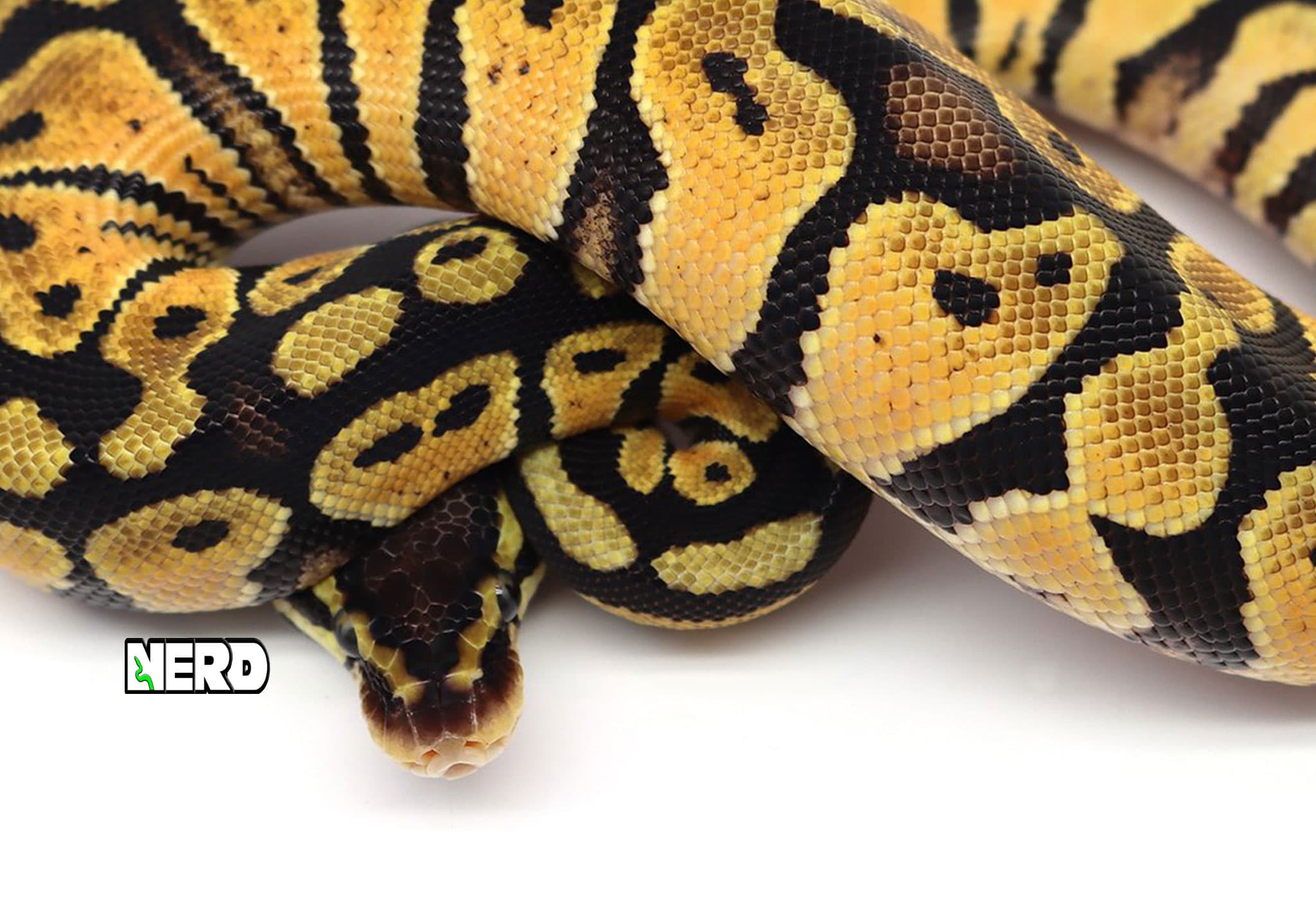
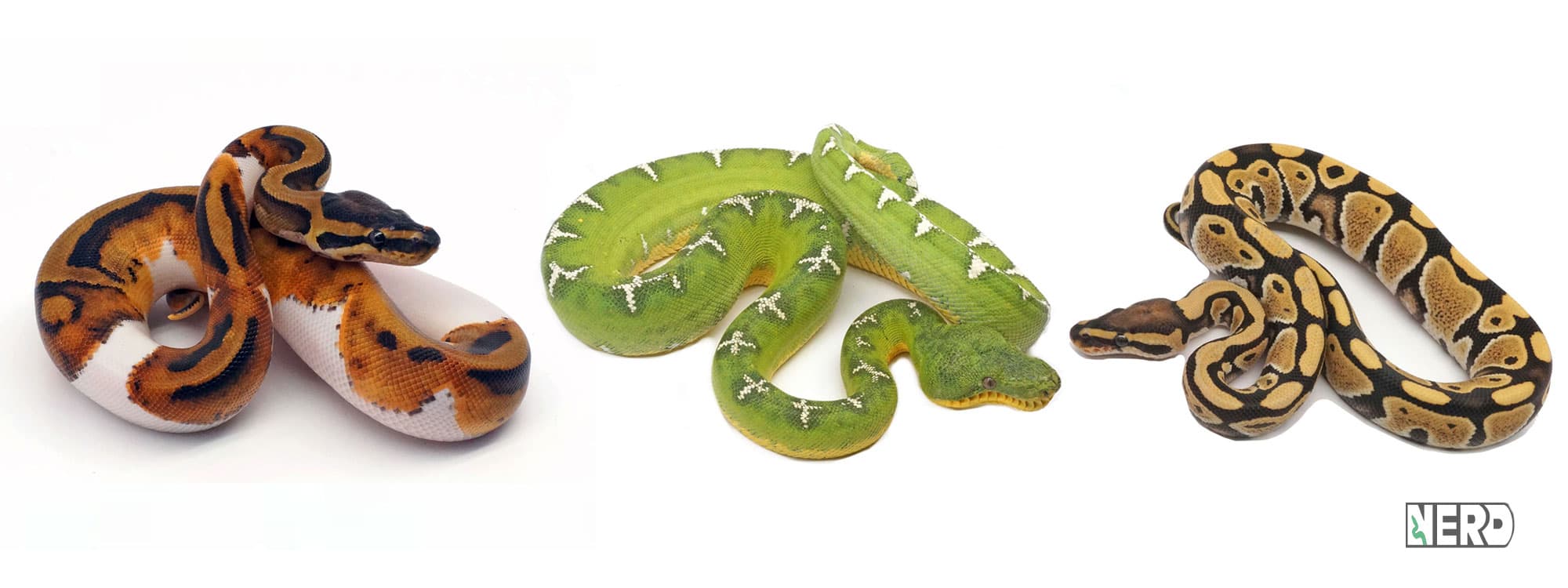
Many of the colors and patterns you see in pet reptiles today (piebald and albino ball pythons, the many corn snake color phases, high-color leopard geckos) were developed by breeders working with captive animals over many generations. Captive breeding lets keepers track genetics carefully, which also helps breeders recognize and avoid traits linked to health problems.
How to spot a well-started animal
Captive-bred is a great start, but every animal is still an individual. Look for:
- Clear, alert eyes and a clean nose and mouth
- Good body weight, with no sharp spine or hip bones
- Complete sheds, with no stuck skin around the eyes, toes or tail tip
- A feeding record: what it eats, in what form, and when it last ate
- Calm, normal behavior for its species
What about rehomed animals?
Plenty of good reptiles need new homes because their owners' lives changed. Adopting a rehomed animal can be a great choice for an experienced keeper. Just ask the same questions you'd ask about any animal (history, diet, health) and plan a vet checkup soon after it comes home.
Captive-bred, right in Plaistow
Zoo Creatures' parent company is NERD (New England Reptile Distributors), which shares our building and breeds most of the snakes we sell. When you buy a NERD snake at Zoo Creatures, we can usually tell you exactly where it came from and what it's eating.
If the breeding side interests you, a private NERD tour shows you where it happens. Or stop by the store at 149 Plaistow Road in Plaistow, NH, about 45 minutes north of Boston, and see our snakes, lizards and the rest of the animals we carry.
The bottom line
For a first reptile, and for most keepers most of the time, captive-bred is the better choice. The animal is more likely to be healthy, more likely to eat, and easier to handle, and buying it takes nothing from the wild. You also get something wild-caught animals rarely come with: a known history. If something goes wrong, that history is the first thing a vet will ask about. It's also the best head start you can give a new pet.
Quick questions to ask any seller
For the full list, read what to ask before you buy a reptile.
- Was this animal captive-bred, captive-farmed or wild-caught?
- Who bred it, and when did it hatch?
- What is it eating, and when did it last eat?